
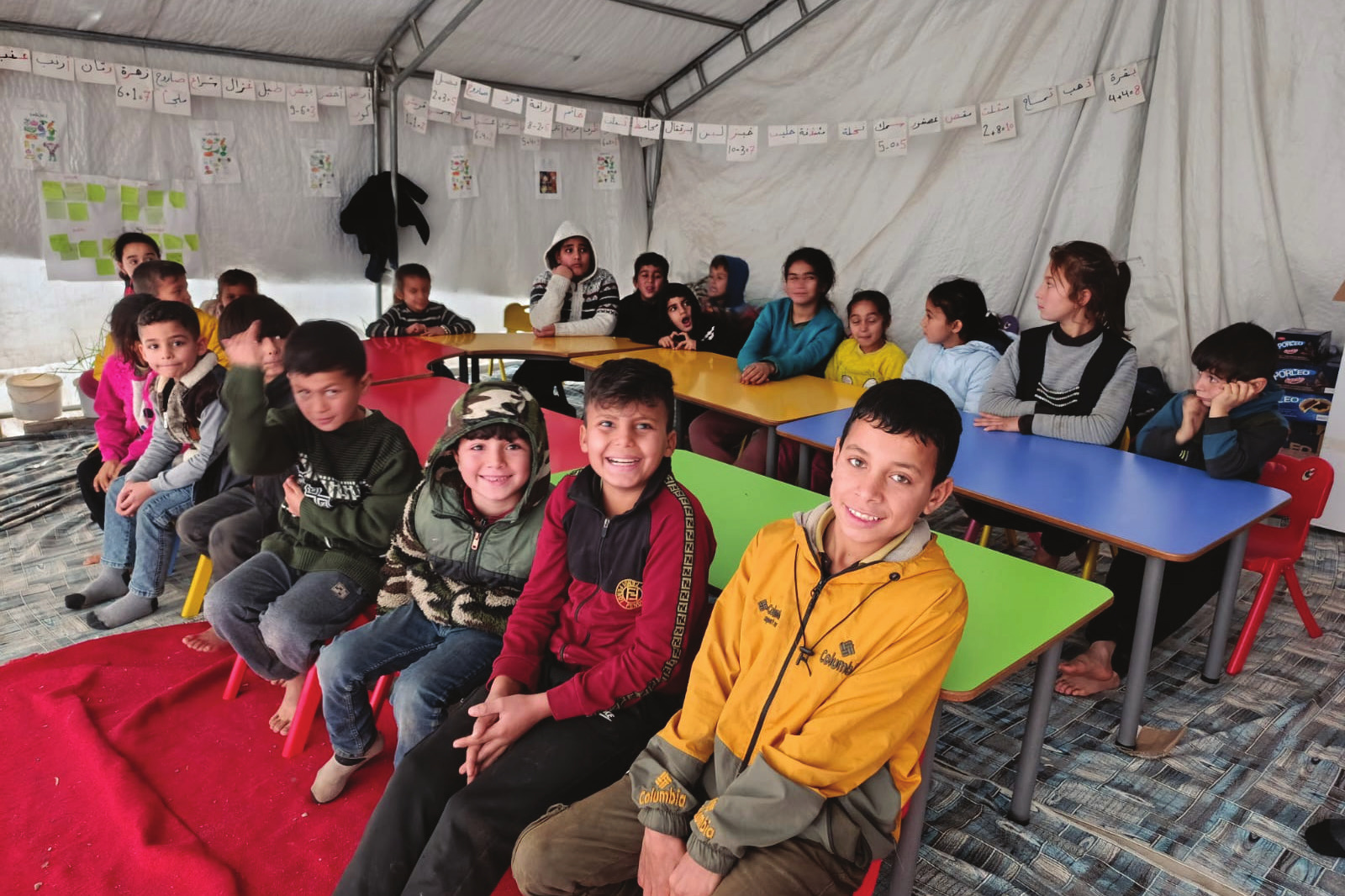
A learning space may be temporary, but standards of safety and dignity should never be temporary. Whether an activity takes place in a school, community centre, or tent classroom, safeguarding begins with how the space is organised and how staff behave within it.
This includes considering safe access, appropriate supervision, privacy, not publishing children's names or images without documented consent, and having clear pathways for reporting and referring concerns.
Protection is also reflected in language and behaviour. Children need spaces where they can participate without fear or stigma, and adults who treat them with respect and understand professional boundaries and responsibilities.
When safeguarding becomes part of everyday programme design, a learning space becomes more than a place where an activity happens; it becomes an environment that supports learning, safety and belonging.