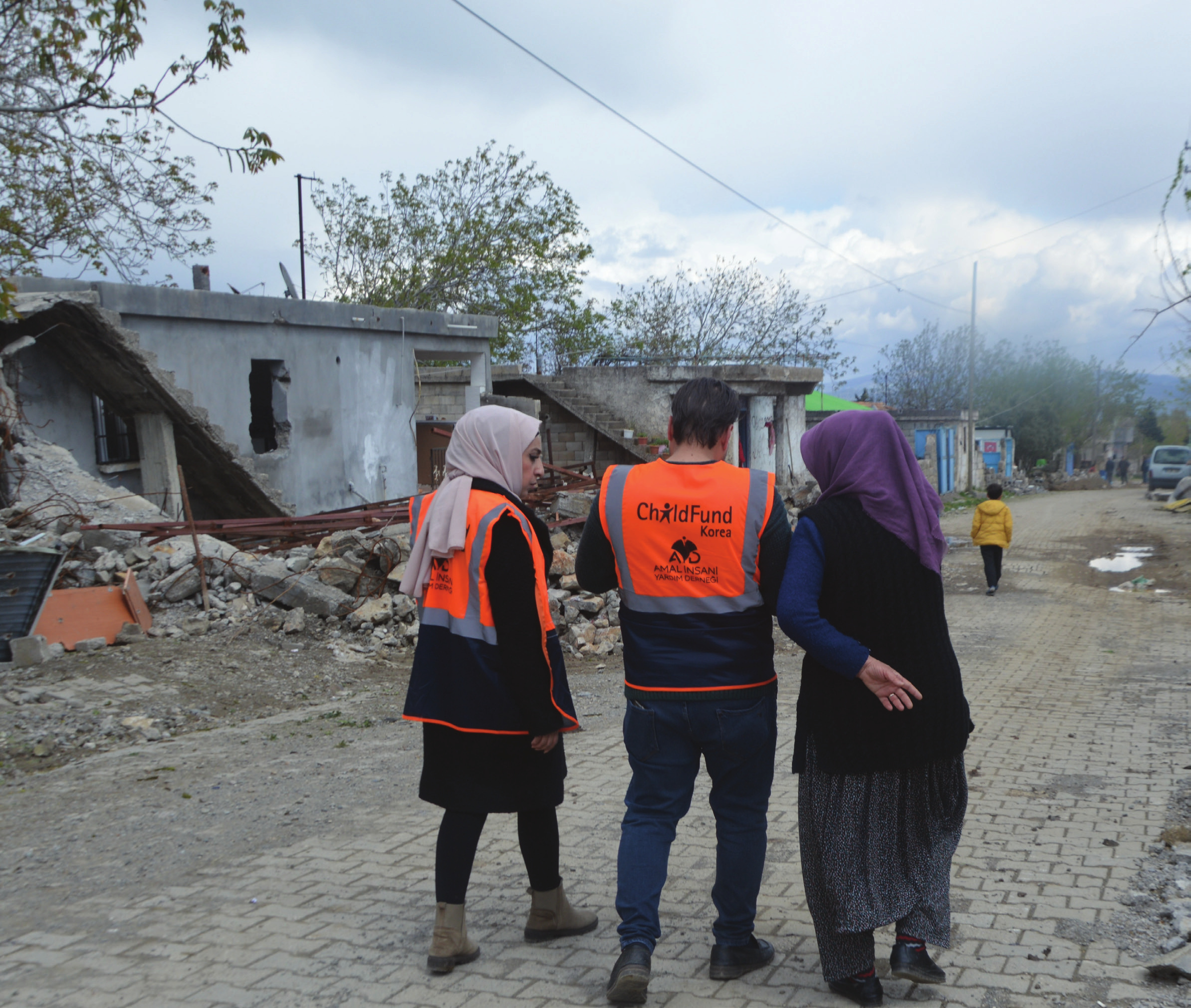
Effective community work does not begin with a ready-made solution. It begins with a question: what does the community consider a priority, and what can be built using local knowledge, relationships and resources?
Co-design means involving local actors, educators, young people, women and community initiatives in understanding the challenge and shaping the response. Technical expertise remains important, but it becomes more relevant when grounded in local realities.
Local delivery then brings contextual knowledge, relationships and language into implementation. Accountability continues through feedback, reflection, and the willingness to adjust what is not working.
A strong project is not the one with the highest number of activities. It is the one that can explain why it exists, what changed, what was learned, and how communities participated in decisions.